

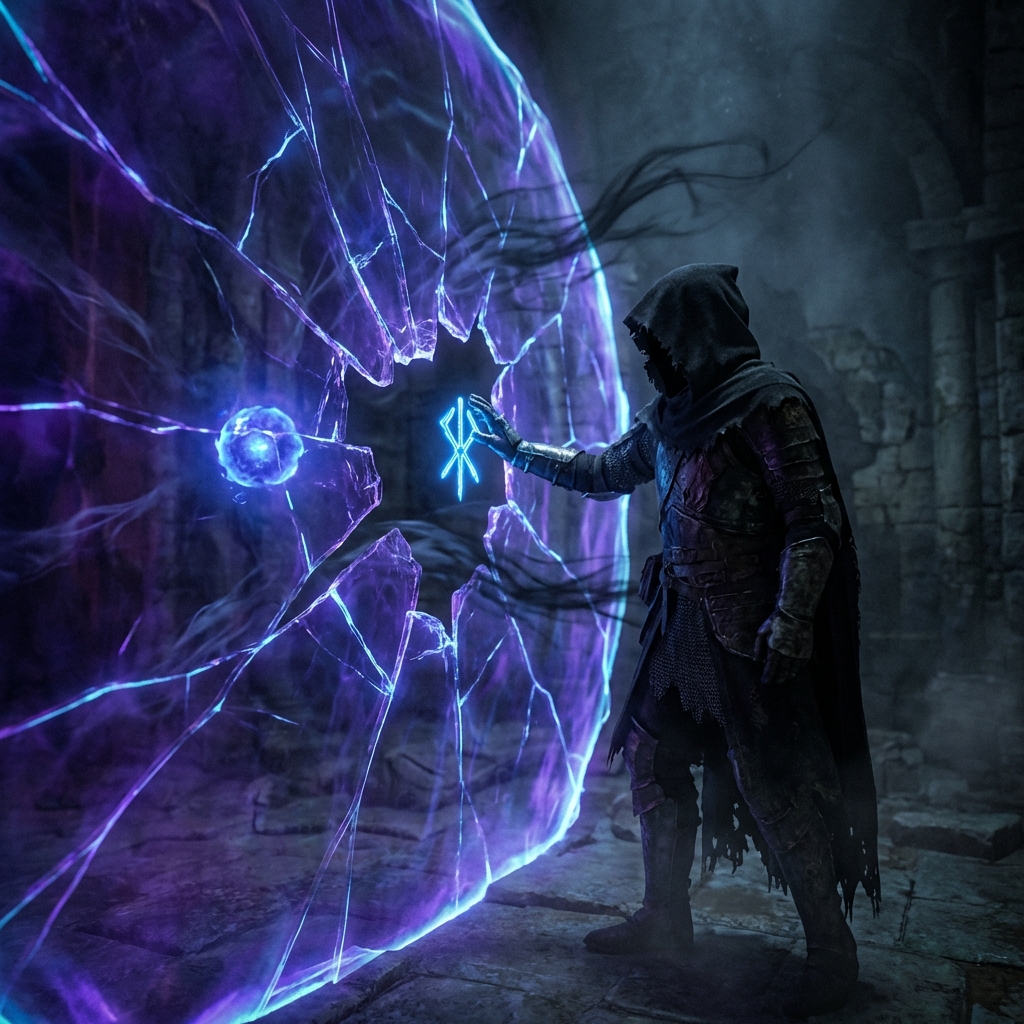
The Illusion of the Thin Hat
In the cyberpunk neon of the modern DevOps world, we’ve been told that containers are the ultimate shields—digital forcefields that isolate our code from the gritty reality of the host machine. It’s a comforting myth. We trust the little whale icon to protect us from the chaotic ocean of the internet.
But as any DevOps enthusiast will tell you, a container isn’t a vault; it’s a process with a very thin, very penetrable hat. It shares the kernel, the memory space, and often, without you realizing it, the root privileges of the host.
The Breach Knight’s Nightmare
The challenge is the illusion of isolation. We run `docker pull` from unverified sources, we run the daemon as root, and we assume we’re safe because the app is “in a container.” But the reality is a “Breach Knight’s” nightmare.
A container shares the host’s kernel. One kernel exploit, one misconfigured volume mount, or one “privileged” flag left on by a lazy developer, and your “shielded” app becomes a backdoor into your entire infrastructure. You aren’t just risking a single app; you’re risking the entire castle. The container breakout isn’t a theoretical risk; it’s a Tuesday afternoon for a motivated attacker.
Refusing the Black Box
Even the most peaceful garden is only as safe as its perimeter. I’ve learned that security isn’t a state of being—it’s a continuous practice. In my home setup, where my guinea pigs are the only witnesses to my digital paranoia, I moved to Rootless Docker.
Why? Because I refuse to give root access to a black box from Docker Hub. Rootless Docker is a philosophical line in the sand. It acknowledges that the shield will eventually crack, so you’d better ensure there’s nothing valuable on the other side by stripping the attacker of privileges before they even enter. True security isn’t about the tool; it’s about the Defense in Depth. It’s about host-level firewalls, Fail2Ban, and the humility to know that your containers are just processes in a very dangerous world.
Audit the Shield
Stop treating Docker like a security boundary. Audit your compose files today. Switch to Rootless Docker. Enforce non-root users inside your images.
Don’t let the convenience of containerization lull you into a digital sleep. The shadows are always looking for a crack in the shield. Make sure your runes are strong, and never trust a process you didn’t compile yourself (metaphorically speaking—nobody has time to compile everything).